








Scientific Evidence

Learn the scientific foundation of Roga’s tVNS technology and its proven benefits.

Brampton Venture ZoneToronto Metropolitan UniversityCreative Destruction LabCentre for Aging + Brain Health InnovationOntario Brain InstituteUniversity of WaterlooStanford University
  • Vagus Nerve Activation48% increase
  • Anxiety47% reduction
  • Sleep22% improvement
  • Heart Rate Variability17% increase
  • Focus29% increase
  • Alpha Power35% increase
  • Results are from specific study populations. Individual results may vary.

Roga Results from Clinical Studies

Clinical Studies

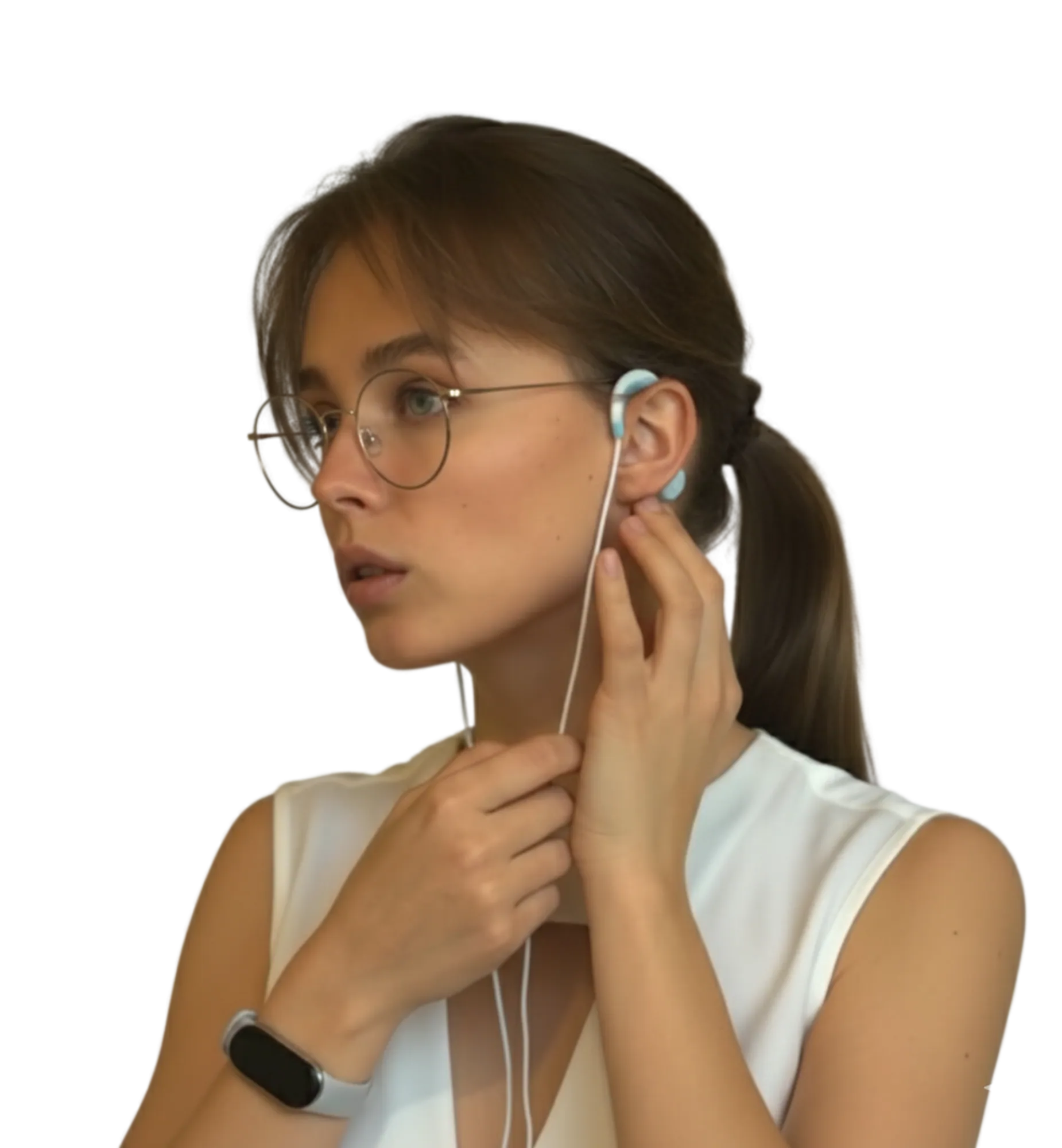
Roga sends gentle electrical impulses to the brain via the auricular branch of the Vagus Nerve.

Auricular Transcutaneous Vagus Nerve Stimulation (tVNS) Reduces Anxiety Symptoms: A Longitudinal Randomised Controlled Study

Stress ManagementGAD-7STAI-SAnxiety Relief

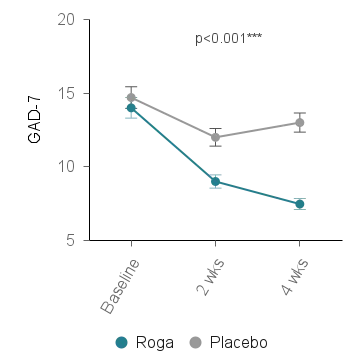
Anxiety disorders affect a significant portion of the population, leading to a growing interest in new treatment approaches. In a study on the Roga tVNS device, researchers found that daily use of auricular transcutaneous vagus nerve stimulation (tVNS) over four weeks significantly reduced anxiety in participants with moderate to severe anxiety. The active treatment group experienced a 47% decrease in GAD-7 scores and a 14% decrease in STAI-S scores, demonstrating that tVNS is a promising and effective non-invasive treatment for long-term stress relief.

Source: Controlled study using Roga devices, funded by MITACS Accelerate grant in Canada. Independently evaluated and approved by the University of Waterloo Human Research Ethics Board (HREB). Published in The Society for Neuroscience and The Brain & Behavior Journal.

Read Study
Heart Rate Variability Improvements Through Non-Invasive Vagus Nerve Stimulation: Results from a Placebo Controlled Study

Heart Rate Variability (HRV)Parasympathetic ActivityRMSSDpNN50High Frequency (HF) HRV

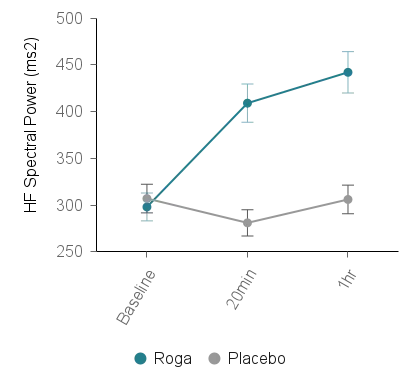
The vagus nerve is vital for regulating stress and recovery, with its function measured by heart rate variability (HRV). This study showed that a single 1 hour tVNS session significantly enhanced vagal activity. The stimulation increased HRV's high frequency (HF) power by 48%, while other markers like RMSSD and the LF/HF ratio also indicated a strong shift toward parasympathetic dominance. The study confirms that tVNS can effectively increase HRV and improves autonomic balance.

Source: Controlled study using Roga stimulation, independently evaluated and funded, published in The Advances in Neuroscience Research Journal.

Read Study

Non-Invasive Vagus Nerve Stimulation Effects on Brain Waves: A Study of Alpha Power and Stress-Related Attention Signals

Brain oscillationsElectroencephalography (EEG)Event-related potentials (ERPs)Alpha StateDefault Mode Network (DMN)High Beta

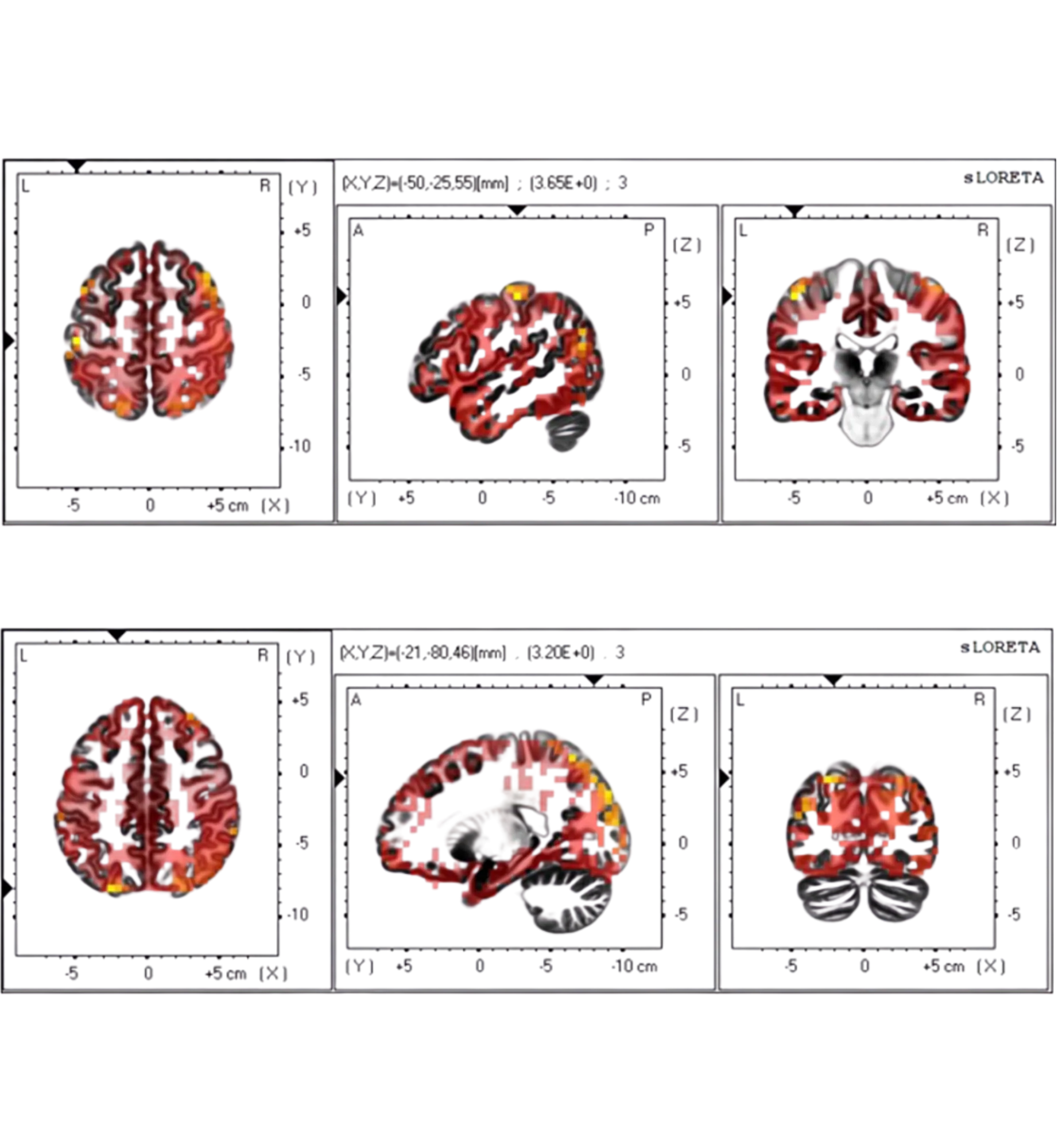
Brainwave activity studies are crucial for understanding how non-invasive techniques like auricular transcutaneous vagus nerve stimulation (tVNS) can help patients regulate their stress levels. This study found that the stimulation can significantly increase alpha brainwave activity, a state linked to relaxed mental processing. The stimulation also boosted neural responses for attention and emotional control, which suggests it may help to downregulate stress related brain networks and rumination.

Source: Clinical trial funded by MITACS Accelerate grant in Canada. Independently evaluated and approved by the University of Waterloo Human Research Ethics Board (HREB). Published in The Society for Neuroscience and The Brain & Behavior Journal.

Read Study
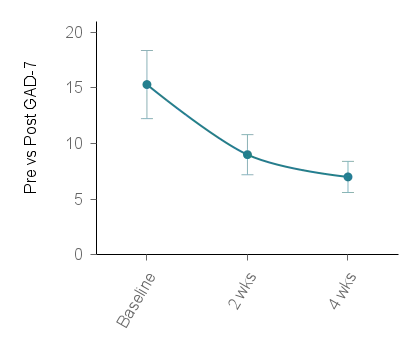
Efficacy of Non-Invasive Vagus Nerve Stimulation in Reducing Anxiety Symptoms: A 4-Week User Study

Stress ManagementGAD-7ZUNG-2-Anxiety Relief

In today's fast-paced world, stress, burnout, and anxiety are a widespread concern affecting millions. This study used non-invasive vagus nerve stimulation (nVNS) to attempt to alleviate some of the anxiety symptoms. The results were primarily measured using the Generalized Anxiety Disorder 7-item (GAD-7) scale, a widely used clinical tool to assess the severity of anxiety symptoms. Participants with moderate to severe anxiety saw a 54% reduction in their GAD-7 scores within just two weeks, moving from the severe to the mild range.

Source: Pilot study using Roga technology, independently evaluated and funded, published in Brain Stimulation.

Read Study

Rooted in Neuroscience

Learn more about Roga and tVNS